Residential Electrical Services in Lawrenceville, GA
Level 2 home charging for Tesla, ChargePoint and all J1772 EVs with load calculations, panel checks and a dedicated circuit.
Before you buy that Level 2 charger, let's find out if your panel can actually handle it — that's step one, every time. We do a load calculation first, so you're not stuck with equipment your electrical service can't support.
Overview
An EV charger installation adds a Level 2 (240-volt) charging station to your home or business, wired to a dedicated circuit from your electrical panel, so you can fully charge an electric vehicle overnight. Plugging your EV into a regular wall outlet overnight barely puts a dent in the battery. A proper Level 2 charger changes that completely, but it also asks a lot more of your panel — which is exactly why we start with a load calculation instead of just quoting the install. Whether you're going with a Tesla Wall Connector or any other J1772 charger, we size the circuit correctly and handle the permit so you're not left guessing.
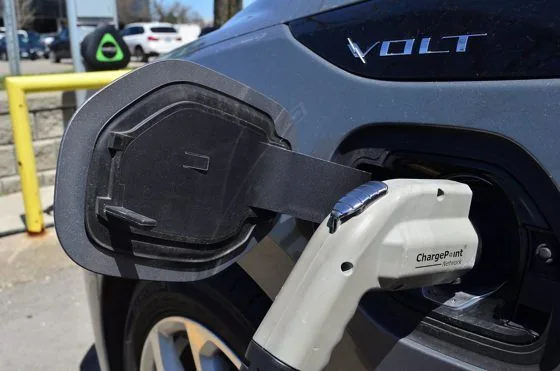
Not always. We run a load calculation on your existing service — adding up your home's real demand and the charger — and there are three outcomes:
EV charger circuits require a permit and inspection in Gwinnett County — we handle both. A permitted, inspected install is also what utility and manufacturer rebate programs require, so keep your paperwork.
Shorter cable runs are cheaper and cleaner, but we'll also consider where your car's charge port sits, whether you might get a second EV, and weather exposure. Most Lawrenceville installs put the unit on the garage wall nearest the panel with a short, tidy conduit run.
Level 1 charging uses the 120-volt outlet your car came with a plug for. It adds about 4–5 miles of range per hour, which works if you drive under 40 miles a day and have all night to charge. Most Lawrenceville homeowners who switch to electric find that isn't enough — especially in a two-EV household or when a long commute on I-85 eats 60–80 miles a day.
Level 2 charging runs on a 240-volt, 40-amp or 50-amp dedicated circuit and adds 25–30 miles of range per hour. A typical EV charges from near-empty to full overnight. That's the setup we install most often, and it's what Tesla, ChargePoint and every major manufacturer recommends for home use.
Gwinnett County requires an electrical permit for a new 240-volt circuit, and we pull it and schedule the inspection as part of the job — you don't have to visit the county office or wait on hold. The federal EV charger tax credit (up to $1,000 for residential, 30% of cost) was extended through 2032, and Georgia Power occasionally runs rebates on Level 2 installations. We'll tell you which incentives apply to your specific setup at the time of the quote so you don't miss anything.
We provide ev charger installation across Lawrenceville and nearby communities including Suwanee, Duluth, Snellville, Grayson, Dacula, Lilburn and Buford, plus much of metro Atlanta — Buckhead, Brookhaven, Sandy Springs, Chamblee, Midtown, Druid Hills and more. Our electricians are Georgia-licensed, insured, and familiar with local permit and inspection requirements.
Every install starts with a load calculation so you know whether your existing service can carry the charger before anything is bought.
Who We Serve
Homes and businesses across Lawrenceville, Gwinnett County and metro Atlanta.
Level 2 home charging for Tesla, ChargePoint and all J1772 EVs with load calculations, panel checks and a dedicated circuit.
Workplace and fleet EV charging stations, load management and multi-unit installations for commercial properties.
Why Us
Charge at home overnight — faster, cheaper and more convenient than any public station.
Every repair and installation carries a written workmanship warranty, plus manufacturer warranties on the parts we supply.
Georgia-licensed electrical contractor, fully insured, and every technician is background-checked and uniformed.
Shoe covers, drop cloths, and we haul away the old material. We explain what we did and why before we leave.
You approve a clear price before any work begins, with same-day appointments and true 24/7 emergency response.
Service Area
Based at 241 Lawrenceville Hwy, we serve Lawrenceville, Gwinnett County and communities across metro Atlanta. Full list in the footer below.
Licensed electricians for every job in your home or business — pick a service to see how we handle it.
FAQ
A straightforward install with the panel near the garage and capacity to spare is the low end. Cost rises with long conduit runs, a subpanel, a load-management device, or a service upgrade. We quote it after seeing your panel and the charger location.
Both work. A plug-in charger uses a NEMA 14-50 outlet (the same as a dryer or range) and can be moved if you change vehicles or homes. A hardwired charger is permanently connected, looks cleaner, and some models (like Tesla Wall Connector) deliver higher amperage when hardwired. We install both and can advise based on your vehicle, garage layout and whether you want portability.
Yes. We’re experienced with Tesla Wall Connectors, ChargePoint Home Flex, Emporia, Grizzl-E and other major Level 2 chargers. The electrical work — the dedicated 240-volt circuit from the panel, the wire run to the garage and the breaker — is the same regardless of brand. We handle the permit, the wiring and the final connection.
In Gwinnett County, yes — any new 240-volt circuit requires an electrical permit and an inspection. We pull the permit and schedule the inspection as part of every EV charger installation, so you don’t have to visit the county office. The inspector verifies the wire sizing, breaker protection and charger connection are code-compliant.
Level 1 uses a standard 120-volt outlet and adds roughly 3–5 miles of range per hour — fine for plug-in hybrids but impractical for full EVs. Level 2 runs on a 240-volt dedicated circuit and delivers 25–30 miles of range per hour, fully charging most EVs overnight.
Not always. A Level 2 charger draws 40–50 amps, so if your panel has the capacity and an open slot, we can add the circuit directly. If the panel is already near its limit, a service upgrade may be needed first — we’ll know after a load calculation.
Yes. Most Level 2 chargers are NEMA 4-rated for outdoor use. We mount them in a weather-protected location, run the circuit in weatherproof conduit, and install a GFCI breaker as code requires for outdoor installations.
Level 2 home charging, dedicated circuit and panel check — drive electric without the range anxiety.