Residential Electrical Services in Lawrenceville, GA
Whole-house standby generators with automatic transfer switches, load management and portable-generator inlet hookups.
Storms knock out power across Gwinnett County more often than people expect, and when it happens, a properly sized standby generator with a real transfer switch is the difference between an inconvenience and a real problem. We size it to what you actually need to keep running, not what's easiest to sell you.
Overview
A standby generator installation adds a permanently wired, automatic backup power system that starts within seconds of an outage and runs on natural gas or propane. A generator is only as good as the transfer switch behind it, which is exactly where we spend most of our planning time. Get the sizing wrong and you're either paying for capacity you'll never use, or you're stuck without power to the things that actually matter — the fridge, the well pump, the HVAC. We walk through your essential loads with you before recommending a size.
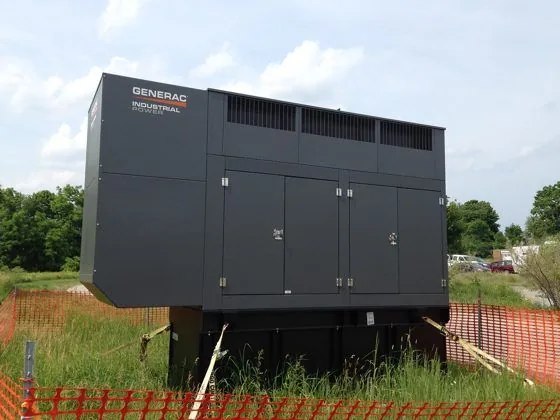
Size depends on what you want to run. A managed system with a 14–18kW unit can comfortably cover a typical Lawrenceville home's essentials — HVAC, kitchen, refrigeration, well pump, and key circuits — by staging large loads. True "run-everything-at-once" whole-house coverage on an all-electric home may need 22–26kW or more. We calculate it around your actual equipment.
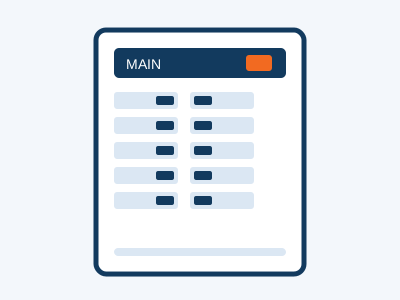
If a full standby unit isn't in the budget, we can install a manual transfer switch or an interlock kit with an exterior inlet, so you can safely power selected circuits from a portable generator — without the dangerous "suicide cord" backfeed that risks lives and equipment.
Standby units self-test weekly. We set that up, verify the transfer operation under load, and can advise on service intervals so the unit actually starts when you need it — the most common failure is a generator that was never exercised.
If your Lawrenceville home already has a natural gas line, connecting the generator to it is almost always the better choice — unlimited fuel supply, no tank to refill, and one less thing to maintain. If you're on propane, we'll size the tank so you get at least 72 hours of run time at full load, which covers most extended outages in Gwinnett County.
We install Generac, Kohler and Briggs & Stratton generators in both fuel types. The generator itself doesn't change much between gas and propane — it's the fuel system, regulator and line sizing that differ, and we handle all of that as part of the install.
The transfer switch is what makes a standby generator truly automatic. It monitors your utility power constantly. When power drops, it signals the generator to start, waits a few seconds for the engine to stabilise, then switches your panel over. When utility power returns, it reverses the process and shuts the generator down. The whole sequence takes 10–30 seconds, and you don't have to be home for it to happen.
We install the transfer switch at your main panel and wire it to the circuits you want protected — or to the whole house if the generator is sized for it. Load management is an option that lets a smaller generator cover a larger home by cycling non-critical loads like the water heater and pool pump.
We provide standby generator installation across Lawrenceville and nearby communities including Suwanee, Duluth, Snellville, Grayson, Dacula, Lilburn and Buford, plus much of metro Atlanta — Buckhead, Brookhaven, Sandy Springs, Chamblee, Midtown, Druid Hills and more. Our electricians are Georgia-licensed, insured, and familiar with local permit and inspection requirements.
A generator is only as good as its transfer switch and its sizing, which is where we spend the planning time.
Who We Serve
Homes and businesses across Lawrenceville, Gwinnett County and metro Atlanta.
Whole-house standby generators with automatic transfer switches, load management and portable-generator inlet hookups.
Commercial standby generators and emergency backup systems to keep your business running through any outage.
Why Us
When the grid goes down, your lights stay on.
Every repair and installation carries a written workmanship warranty, plus manufacturer warranties on the parts we supply.
Georgia-licensed electrical contractor, fully insured, and every technician is background-checked and uniformed.
Shoe covers, drop cloths, and we haul away the old material. We explain what we did and why before we leave.
You approve a clear price before any work begins, with same-day appointments and true 24/7 emergency response.
Service Area
Based at 241 Lawrenceville Hwy, we serve Lawrenceville, Gwinnett County and communities across metro Atlanta. Full list in the footer below.
Licensed electricians for every job in your home or business — pick a service to see how we handle it.
FAQ
Yes. A standby generator with an automatic transfer switch monitors your utility power continuously. When it detects a loss, it starts the generator engine, waits a few seconds for it to stabilise, then transfers your panel to generator power — all within 10 to 30 seconds, and without you needing to be home. When utility power returns, it reverses the process and shuts down.
We do both. We supply and install Generac, Kohler and Briggs & Stratton generators, and we can also install a unit you’ve purchased separately. When we supply the generator, we size it to your home’s actual load, which avoids the most common mistake homeowners make when buying on their own: choosing a unit that’s too small to run everything they want protected.
You can, but the generator needs to be sized for it. A whole-house generator for a typical 2,000–3,000-square-foot Lawrenceville home with central AC runs 20–24 kilowatts. Smaller generators (12–16 kW) can power critical loads — the fridge, a few lights, the well pump and the modem — through a load-management panel. We do the load calculation and recommend the right size for your priorities and budget.
Yes. A standby generator installation in Gwinnett County requires both an electrical permit (for the transfer switch and panel work) and typically a building permit (for the concrete pad and fuel line). We pull both permits, coordinate the inspections and schedule the utility disconnect for the cutover. The permit process usually adds two to three business days to the project timeline.
It depends on what you want to keep running. A 14–16 kW unit covers essentials — HVAC, fridge, lights, well pump and a few outlets. A 20–22 kW unit can handle a full-size home including an electric range and water heater. We do a load calculation so the generator is sized to your actual demand, not a guess.
Yes. Manufacturers recommend a service visit once a year — oil and filter change, battery check, transfer-switch test and a load-bank run. The generator runs a brief self-test automatically every week, but the annual service catches wear items before they cause a failure during a real outage.
A standby generator starts automatically and powers your whole house — no extension cords, no waiting.