
Residential Electrical Services in Lawrenceville, GA
Pump and equipment wiring, code-required bonding, GFCI protection, pool and spa lights, and hot tub hookups — permitted and inspected.
Pool electrical work leaves zero room for shortcuts — water and electricity together demand it be done exactly right, every time. We handle pump wiring, bonding, and GFCI protection to the letter of the code, because this is one area where 'close enough' isn't good enough.
Overview
There's a reason pool electrical is one of the most heavily regulated parts of the code, and we take that seriously on every job. The bonding grid alone — the part most homeowners have never even heard of — is what prevents dangerous voltage gradients around the water. We handle pump and heater wiring, GFCI protection, and pool lighting, all permitted and inspected the way pool work should be.
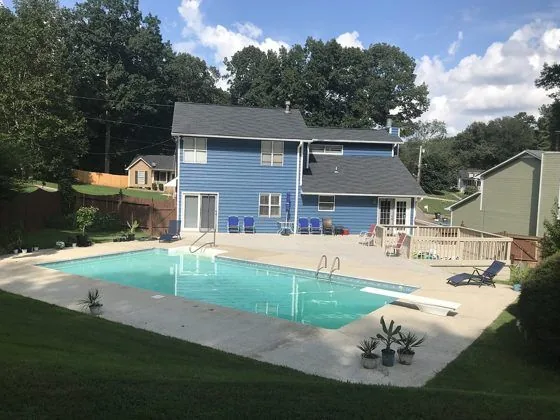
Bonding ties all the metal in and around the pool to the same electrical potential, so there's no voltage difference for a swimmer to feel. Older pools often have missing, corroded or incomplete bonding — a serious hazard we can evaluate and correct.
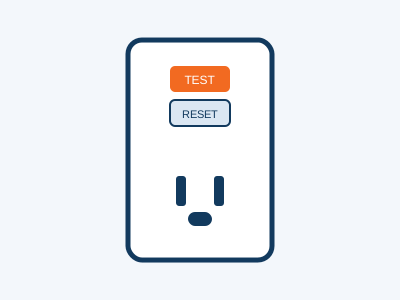
Pool and spa electrical work requires a permit and inspection in Gwinnett County. We pull it and schedule the inspection. If you're buying a home with a pool, an electrical inspection of the equipment and bonding is money well spent.
Bonding connects every metal component in and around the pool — the rebar or steel mesh in the pool shell, the pump motor, the heater, the light niche, the ladder anchors, the metal coping, the fence posts — into one continuous conductor. The purpose isn't to carry fault current to the panel; it's to eliminate voltage differences between metal parts so a swimmer touching the ladder and the light niche simultaneously doesn't become the path between two different voltages. Grounding provides the fault-clearing path back to the panel so a breaker can trip if something shorts. You need both, and they're separate systems.
The NEC and Georgia code require GFCI protection on every pool pump motor circuit, all receptacles within 20 feet of the pool edge, and underwater pool lights operating at line voltage. All outdoor pool receptacles need weatherproof in-use covers. Wiring methods in the pool area must be in rigid conduit or listed cable assemblies — Romex (NM cable) is not allowed within five feet of the pool. We see code violations on pool electrical constantly, especially on pools that were owner-installed or wired by a general contractor rather than a licensed electrician. If your pool equipment was installed without a permit, an inspection and remediation is worth doing before something goes wrong.
A standard single-speed pool pump runs on a 240-volt, 20-amp circuit. Variable-speed pumps — which are now required by code for most new pool installations in Georgia — draw less but still need a dedicated 240-volt circuit with a disconnect switch within sight of the equipment. We wire the pump, heater, salt system and any automation controllers, and we install the code-required disconnects at each piece of equipment. The disconnect lets a service technician kill power to one component without walking back to the panel, which is both a safety and convenience feature. If your pool equipment predates the disconnect requirement, adding them is a straightforward job we recommend during any pump replacement.
We provide pool and hot tub electrical across Lawrenceville and nearby communities including Suwanee, Duluth, Snellville, Grayson, Dacula, Lilburn and Buford, plus much of metro Atlanta — Buckhead, Brookhaven, Sandy Springs, Chamblee, Midtown, Druid Hills and more. Our electricians are Georgia-licensed, insured, and familiar with local permit and inspection requirements.
Pool wiring is one of the most heavily regulated areas of the code, because water and electricity leave no margin for error.
Who We Serve
Homes and businesses across Lawrenceville, Gwinnett County and metro Atlanta.
Pump and equipment wiring, code-required bonding, GFCI protection, pool and spa lights, and hot tub hookups — permitted and inspected.
Commercial pool, spa and water-feature electrical for hotels, fitness clubs and HOA communities — bonded and code-compliant.
Why Us
Pool wiring isn't regular wiring — water and electricity need an electrician who knows the code.
Every repair and installation carries a written workmanship warranty, plus manufacturer warranties on the parts we supply.
Georgia-licensed electrical contractor, fully insured, and every technician is background-checked and uniformed.
Shoe covers, drop cloths, and we haul away the old material. We explain what we did and why before we leave.
You approve a clear price before any work begins, with same-day appointments and true 24/7 emergency response.
Service Area
Based at 241 Lawrenceville Hwy, we serve Lawrenceville, Gwinnett County and communities across metro Atlanta. Full list in the footer below.
Licensed electricians for every job in your home or business — pick a service to see how we handle it.
FAQ
Yes. Most residential hot tubs require a 240-volt, 50-amp dedicated circuit with a GFCI breaker and a disconnect switch installed within sight of the tub. We run the circuit from the panel, install the disconnect in the correct location, and connect the tub’s wiring per the manufacturer’s specifications. A Gwinnett County permit and inspection are required. The typical installation takes a half day.
Yes. Pool light replacement involves draining the light niche (not the pool), pulling the fixture through the niche conduit, and replacing the bulb, gasket and sometimes the fixture housing. All pool lights must be on a GFCI-protected circuit and properly bonded. If your pool light predates GFCI protection, we add it during the replacement. Working on pool electrical requires a licensed electrician — the safety stakes are too high for DIY.
Pool bonding connects every metal component in and around the pool — rebar, pump housing, heater, light niche, ladder anchors, metal coping — into one continuous conductor so there are no voltage differences between surfaces a swimmer might touch simultaneously. Pools built before the bonding code was tightened (mid-2000s) may have incomplete bonding. We test the bonding grid with a meter and add connections where they’re missing.
In Gwinnett County, yes. Any new pool electrical circuit, pump wiring, bonding installation or light replacement that involves new wiring requires a permit and an inspection. The inspector checks bonding continuity, GFCI protection, disconnect placement, conduit type and burial depth. We pull the permit and coordinate the inspection. For a simple bulb swap with no new wiring, a permit typically isn’t required.
Pump circuits, bonding, GFCI protection and lights — code-compliant so your pool is safe.